-
★★★★★
Ordered Sunday night, arrived Wednesday. No drama. Only knocking one off because the confirmation email took a few hours to land and I briefly wondered if the order went through.
Renee C.
-
★★★★★
Site actually shows real stock counts instead of letting you order something that's backordered and telling you a week later. I've been burned by that enough times that it's the main reason I stuck around. Great job Alpha Pro.
Anthony V.
-
★★★★★
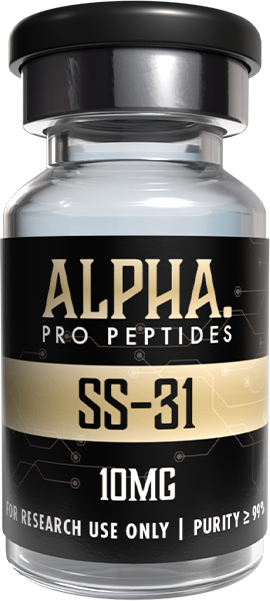
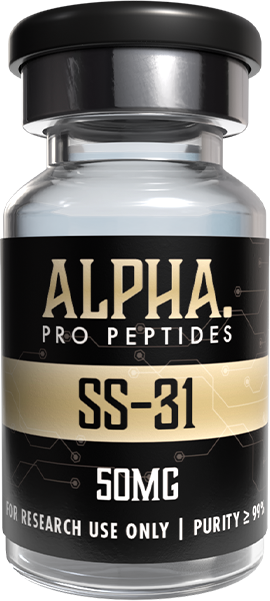
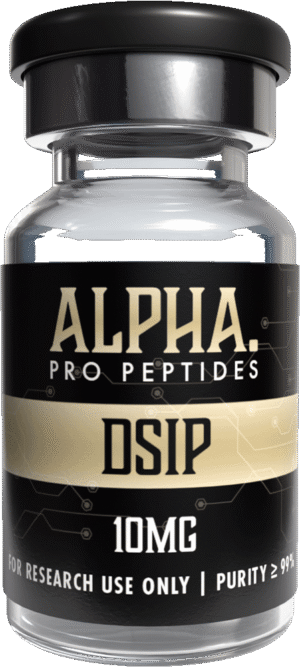
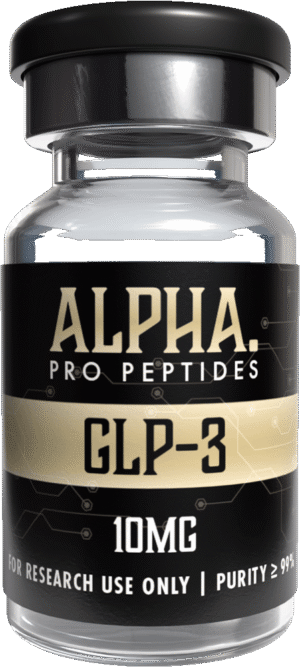
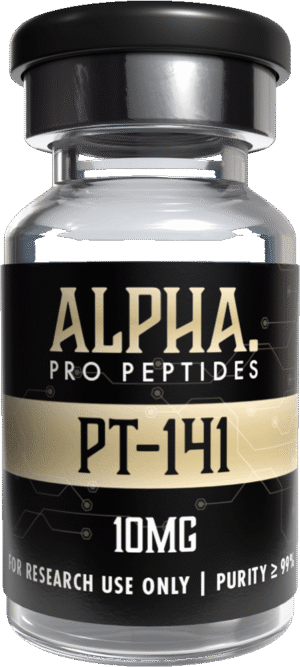
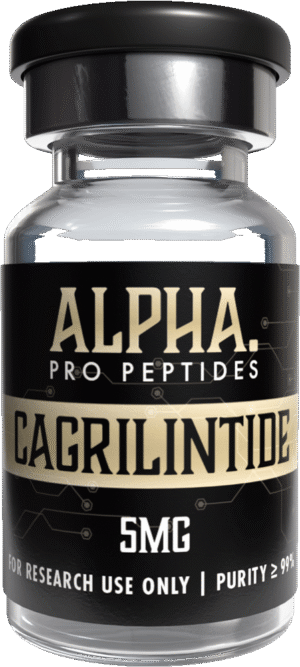
Labels are printed clearly with the batch number and date in a QR code right on the vial. Sounds minor until you've dealt with vendors who don't have it. Thank you Alpha Pro.
Kayla B.
-
★★★★★
First order and I was cautious about it, so I emailed Alpha Pro before checking out. Someone answered much faster than I expected and covered everything I had questions on without trying to upsell me. Ordered right after and it showed up exactly when they said.
Desmond W.
-
★★★★★
Reorder button pulls from your order history so you're not rebuilding the cart every time. Wish it carried over quantities too — it resets everything to one.
Tori L.
-
★★★★★
One vial arrived with a crack. Sent a photo, had a replacement shipped the same day, no return required and no argument. How Alpha Pro handles the thing going wrong tells you more than the ninety times it goes right.
Neil G.
-
★★★★★
Packing slip is itemized and legible. Thank you Alpha Pro.
Simone A.
-
★★★★★
Signed up for a back-in-stock alert and actually got it the day it restocked. Would be better if the alert let you pick a specific variant instead of pinging you for the whole product line.
Ray O.
-
★★★★★
Guest checkout without forcing an account. I'll make an account when I feel like it, not because you held my cart hostage.
Bethany M.
-
★★★★★
Been through three peptide websites and Alpha Pro Peptides is the first one where the product page, the packing slip, and the label all say the same thing. Consistency shouldn't be a selling point but here we are.
Curtis N.
-
★★★★★
Padded well enough that I could hear nothing shifting when I picked up the box. Arrived intact.
Alexis P.
-
★★★★★
Newsletter is actually about restocks and documentation updates.
Jordan F.
-
★★★★★
Placed a wholesale order for our group and they set up a proper account with net terms after calling me, without making me chase anyone. Invoices come in a format that imports cleanly.
Marisol I.
-
★★★★★
Took care of me on a Friday at 4pm. Didn't know anyone did that.
Wes T.
-
★★★★★
The team at Alpha was amazing — they responded to my question much faster than anyone else.
Hannah B.
-
★★★★★
Twelve items, all twelve correct, checked against the packing slip.
Omar S.
-
★★★★★
Realized I'd ordered the wrong size about ten minutes after checkout. I emailed and they fixed it right away.
Gabriela R.
-
★★★★★
Estimated Friday, arrived Wednesday. Under-promise, over-deliver still works.
Trent K.
-
★★★★★
A colleague recommended them after I complained about the last site I ordered from. Four orders in and I've had nothing to complain about, which is annoying because complaining was fun.
Priyanka D.
-
★★★★★
Account dashboard shows every past order with the documentation attached to each one. I can pull up something from six months ago in about ten seconds.
Logan M.
-
★★★★★
Emailed a fairly technical question and got a real answer from someone who clearly understood it, not a copy-paste from the FAQ. Took about two days to come back, which is the only reason this isn't five.
Fatima A.
-
★★★★★
Shipping cost is shown before you enter your address. Refreshing.
Bryce H.
-
★★★★★
Returned an unopened item within their window and the refund posted in three days, no restocking fee. Finding the return policy took longer than the return did — it's buried in the footer.
Dana W.
-
★★★★★
Site search works better than most. Partial names return the right product. Filters are a little clumsy on mobile, though.
Eli V.
-
★★★★★
Six orders, all on time, all correct, all documented. I don't have a story for you. That's the point.
Corinne A.